
Groundhog Fence Company
Professional Fence Replacement Built to LastWhen repairs are no longer enough, Groundhog Fence Company can replace your aging or damaged fence with a durable new solution designed for your home and the Pacific Northwest.
5 Star Rated
Homeowners trust Groundhog for quality workmanship, dependable communication, and fencing built with long-term performance in mind.
Local & Trusted
Proudly serving residential properties throughout Ridgefield, Clark County, and surrounding Southwest Washington communities.
Built For PNW Weather
Our fences are designed with Southwest Washington’s rain, moisture, soil conditions, and changing seasons in mind.
Quality Craftsmanship
From removal of the old fence to installation of the new one, we pay attention to the details that make a finished project look and perform the way it should.
PROFESSIONAL FENCE REPLACEMENT
Sometimes Repairing an Old Fence Just Doesn’t Make Sense
Every fence eventually reaches a point where another repair is only delaying the inevitable.
Maybe posts are beginning to fail in multiple places. Boards are deteriorating faster than you can replace them. Sections are leaning. Gates no longer line up correctly. Or years of Pacific Northwest moisture and weather have simply taken their toll.
At that point, continuing to put money into isolated repairs may not be the best investment.
Groundhog Fence Company provides professional residential fence replacement for homeowners who are ready to stop patching an aging fence and start fresh with something designed for years of dependable performance.
We’ll evaluate your existing fence, talk through what is and isn’t working, and help you determine whether replacement makes more sense than another round of repairs.
And when it does, we’ll help you build the new fence around what your property needs today—not simply recreate what was there before.
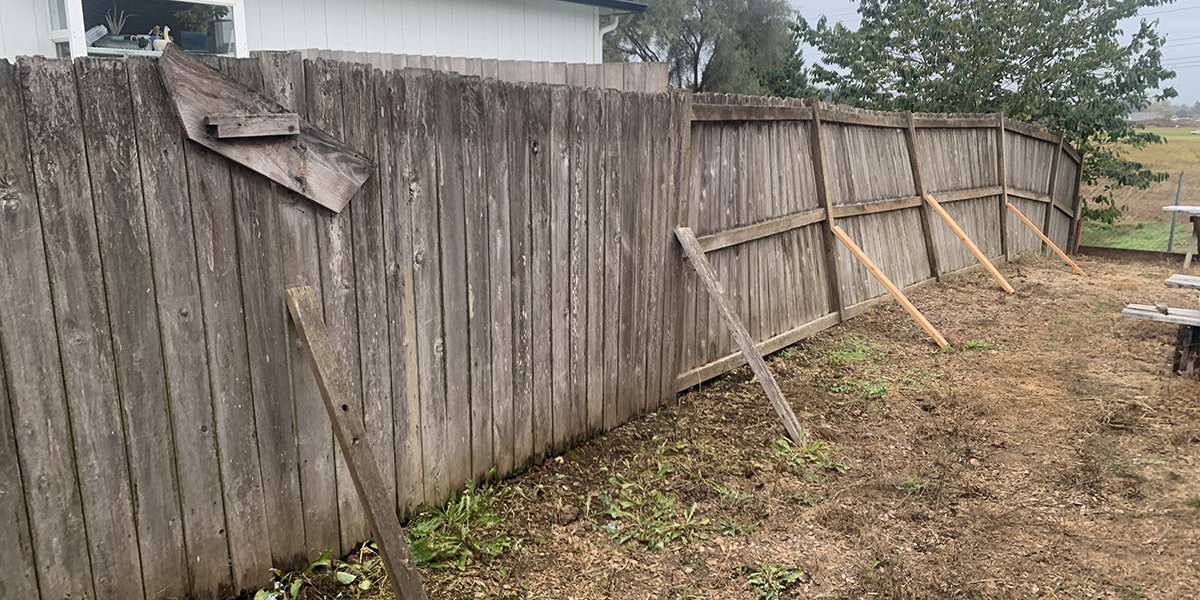
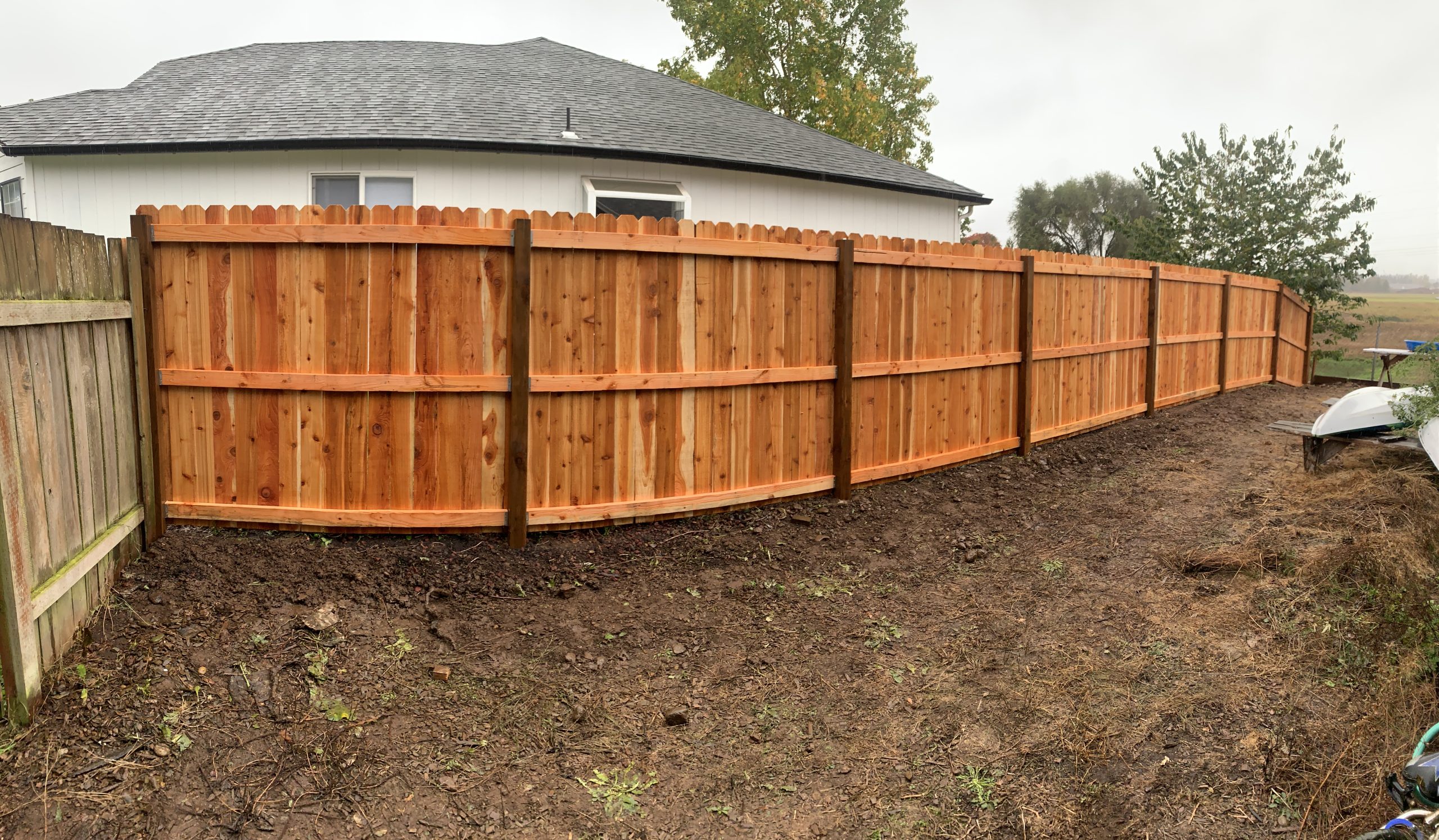
Is It Time to Replace Your Fence?
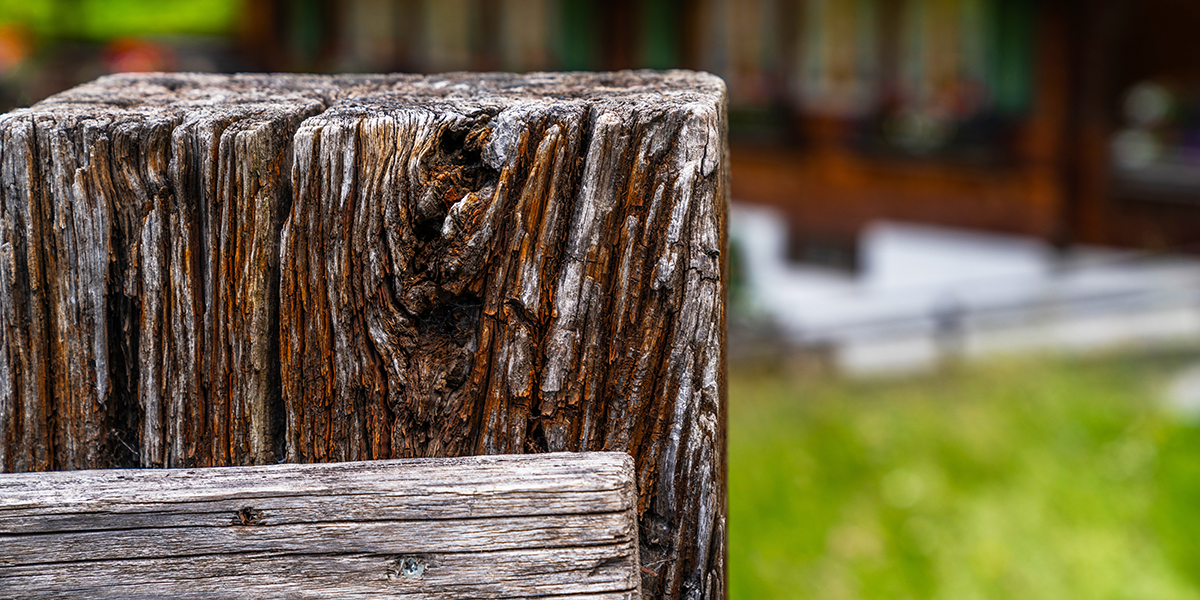
Multiple Failing Posts
One damaged post can often be repaired. When posts are rotting, leaning, or becoming unstable throughout the fence line, larger structural problems may be developing.
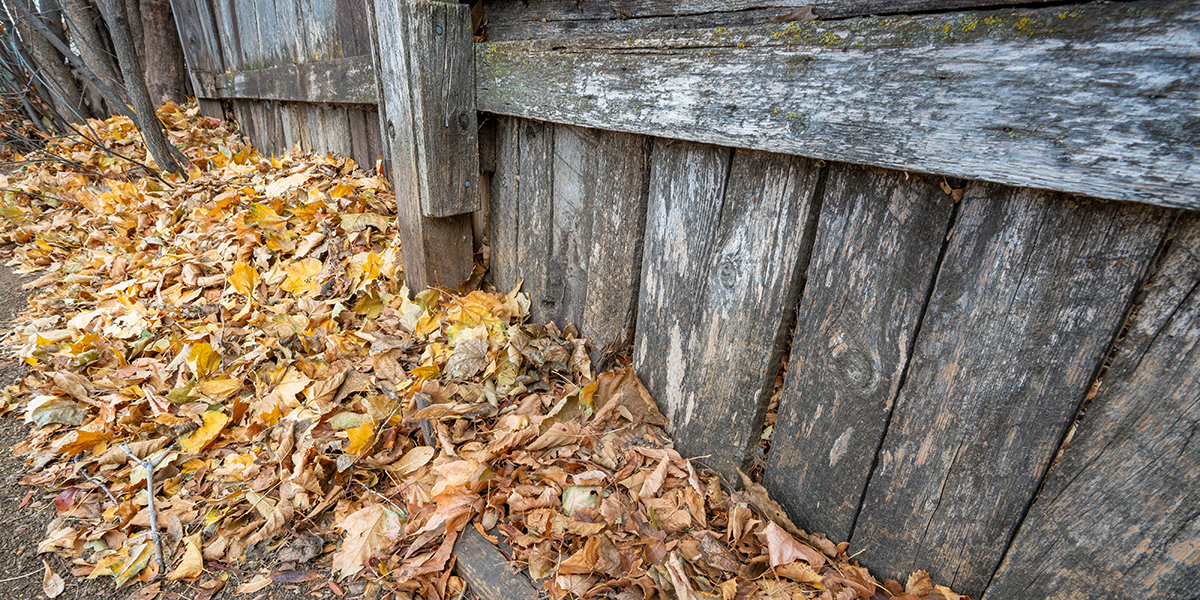
Widespread Wood Rot
Replacing an occasional damaged board is one thing. When deterioration affects significant portions of the fence, replacement may provide better long-term value.
Leaning Fence Sections
A fence leaning in several areas can indicate problems with posts, soil conditions, age, or the underlying structure—not simply a cosmetic issue.
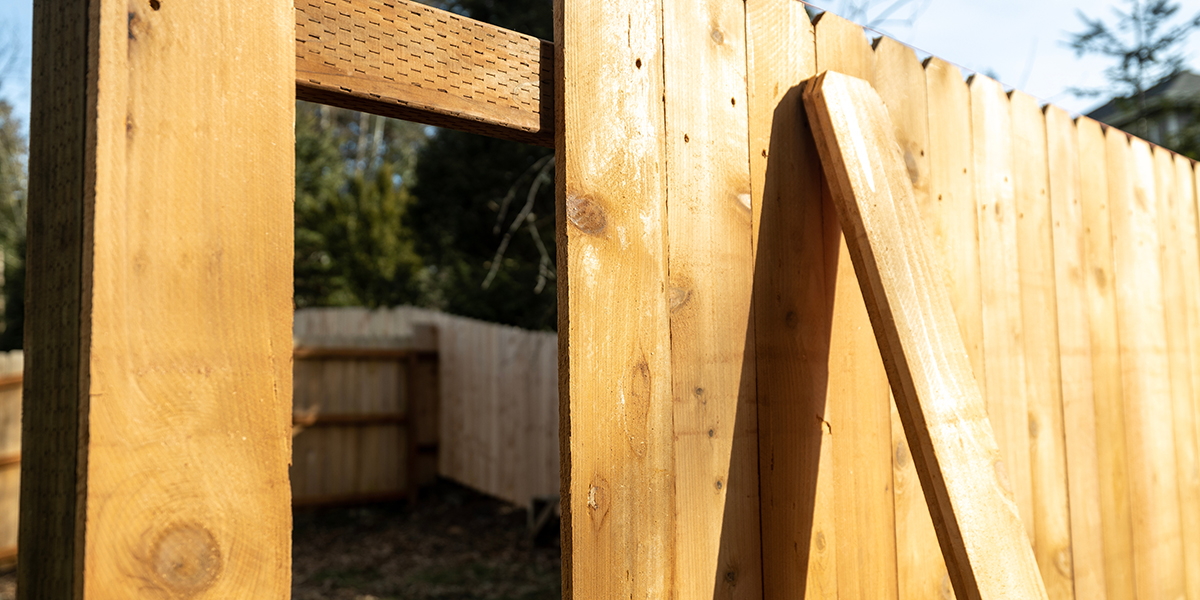
Constant Repairs
If fixing one section seems to reveal another problem a few months later, the money being spent on repeated repairs may be better invested in a new fence.
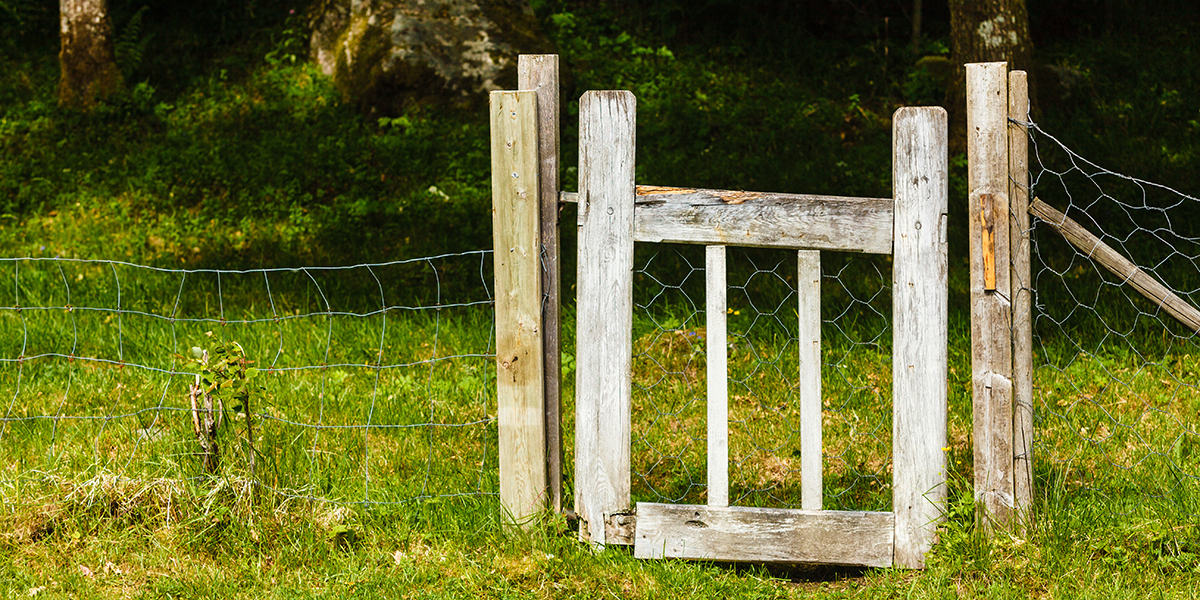
Failing Gates & Hardware
Sagging gates, deteriorating posts, misaligned latches, and worn components can be signs that the surrounding fence system is reaching the end of its useful life.
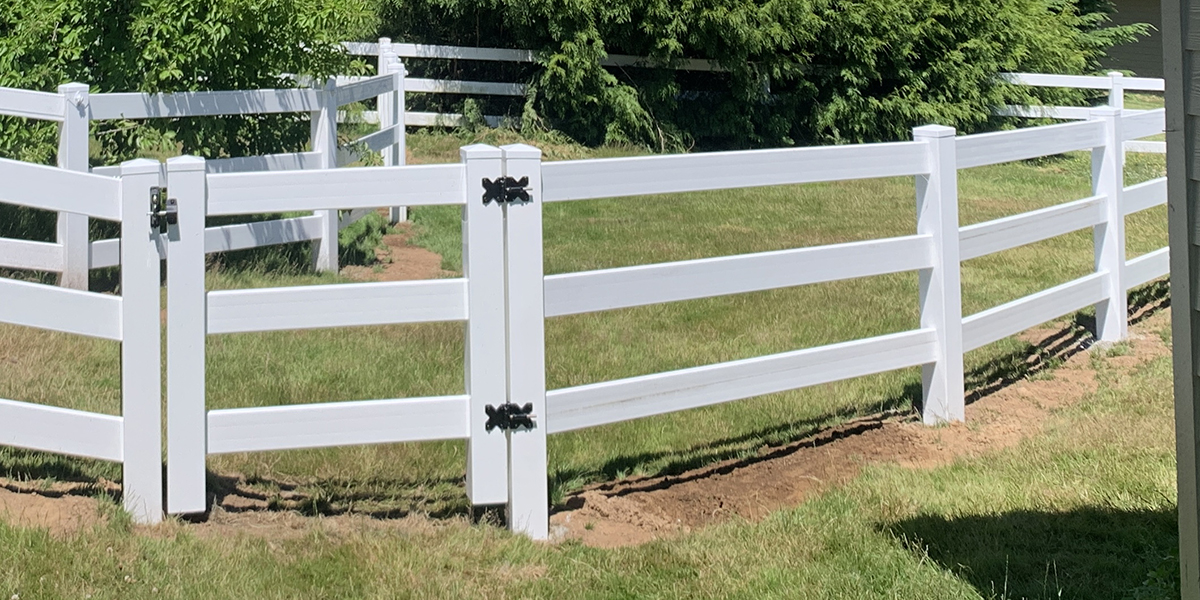
Your Needs Have Changed
Sometimes the old fence still stands—but it no longer works for your family. You may want more privacy, better pet containment, lower maintenance, a different style, or improved curb appeal.
Should You Repair Your Fence or Replace It?
Not every damaged fence needs to be replaced.
If the fence is structurally sound and the problem is limited to a few boards, a damaged post, hardware, or an isolated section, Fence Repair may be the smarter and more economical choice.
Replacement begins making more sense when deterioration is widespread, structural problems exist throughout the fence, repairs have become frequent, or the cost of continuing to fix an aging fence no longer provides good long-term value.
Repair May Make Sense When:
- Damage is isolated
- Most posts remain solid
- The majority of the fence is in good condition
- Only a small section has been affected
- The fence still meets your needs
- The repair provides meaningful additional useful life
Replacement May Make Sense When:
- Multiple posts are failing
- Rot or deterioration is widespread
- Large sections are leaning
- Repairs have become frequent
- The fence no longer provides adequate privacy or security
- You want a different material or design
- Repair costs are becoming difficult to justify
We Won’t Recommend Replacement Just Because It’s the Bigger Job.
Groundhog’s goal is to help you make the right investment in your property.
If repairing the fence makes sense, we’ll tell you.
If replacing it provides better long-term value, we’ll explain why.
Don't Just Replace Your Old Fence. Build a Better One.
Replacing a fence gives you an opportunity that homeowners sometimes overlook.
You don’t have to put back exactly what was there.
Maybe the original fence was installed before you owned the home. Maybe it doesn’t provide enough privacy. Maybe the gate is in the wrong location. Perhaps you’re tired of maintaining the material—or you’ve added a deck, patio, pets, children, landscaping, or other features that have changed the way you use your backyard.
A fence replacement is an opportunity to rethink:
- Fence material
- Height and privacy
- Style and appearance
- Gate locations
- Gate width
- Pet containment
- Backyard access
- Maintenance requirements
- Landscaping integration
- Outdoor living areas
We’ll help you look at the property as it exists today and design the replacement around how you actually want to use it going forward.
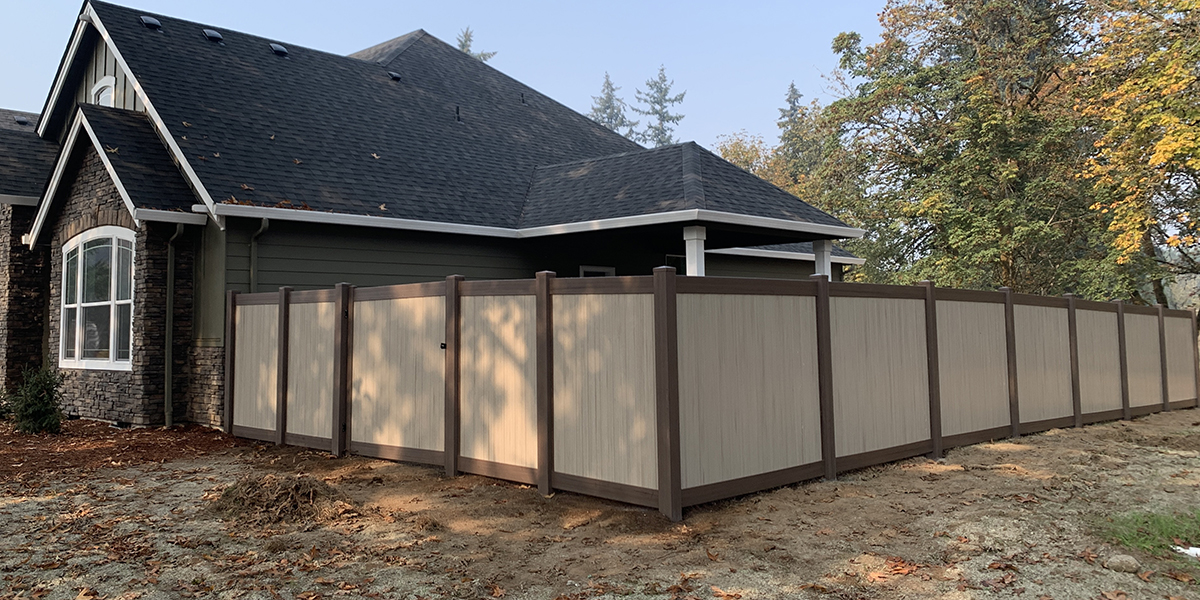
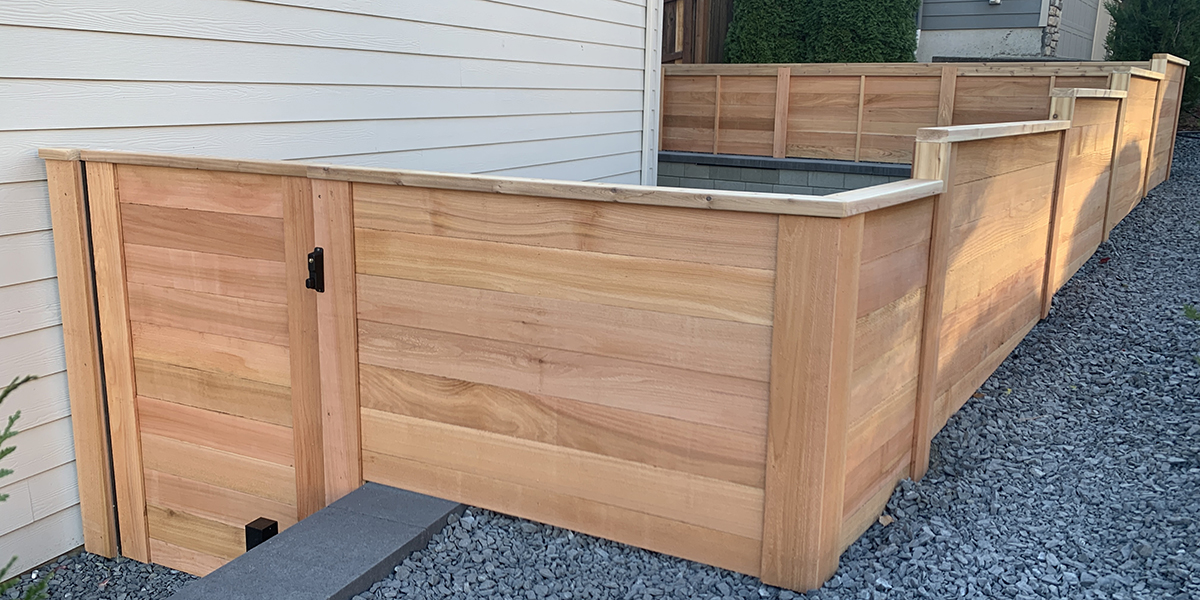
Choose the Right Fence for Your Home
Your replacement fence doesn’t necessarily need to use the same material as the old one.
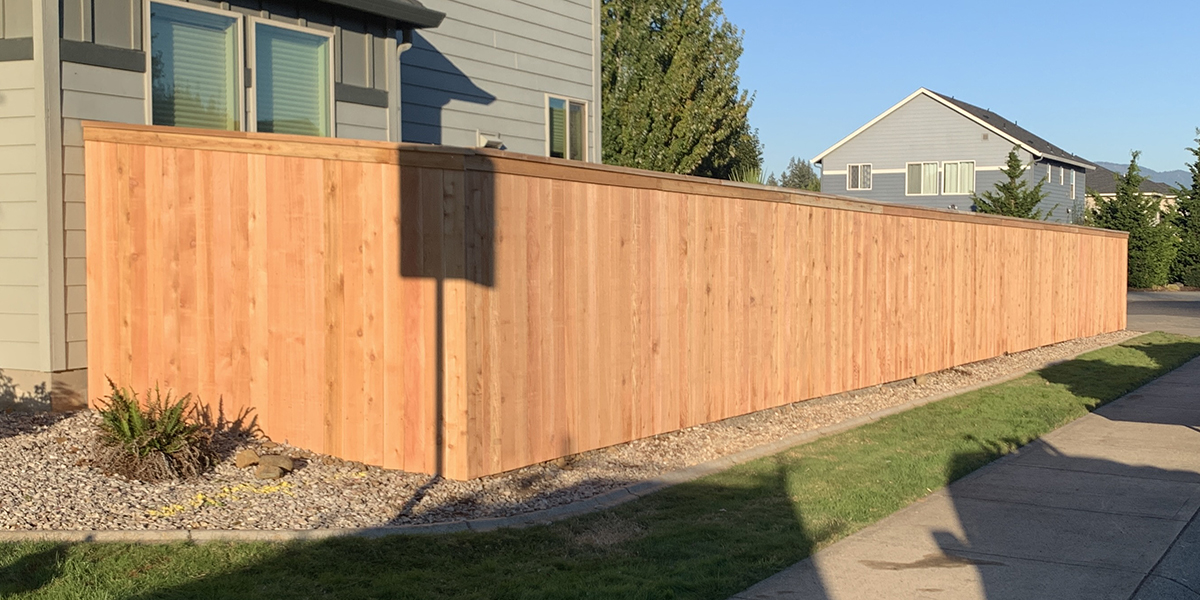
Cedar Fencing
A Northwest classic offering natural beauty, excellent privacy, and extensive design flexibility.
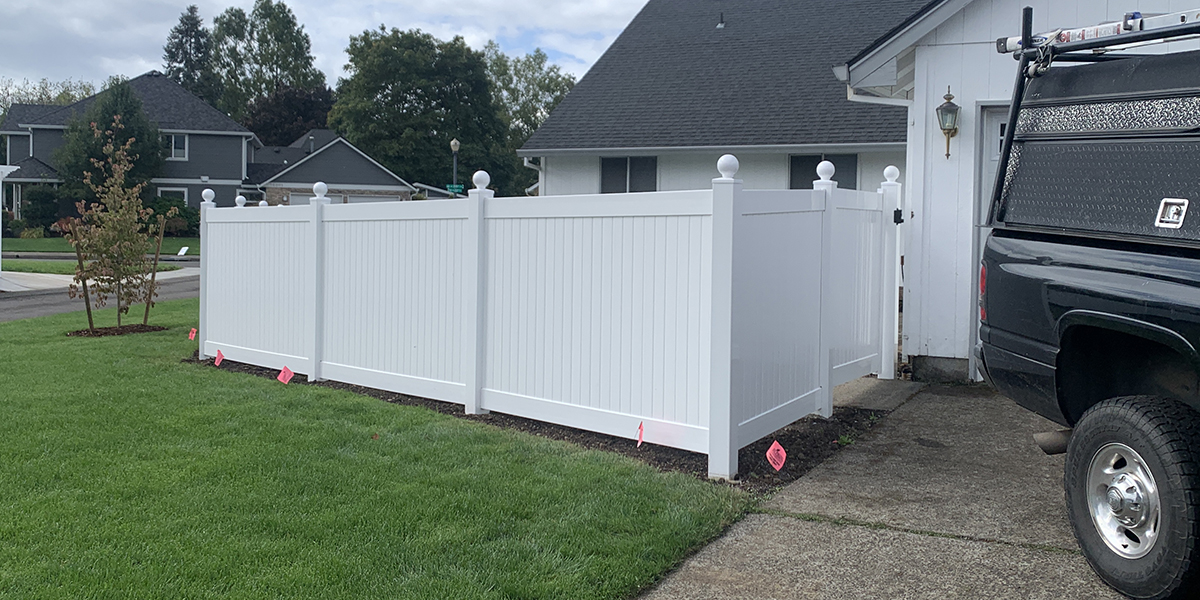
Vinyl Fencing
A clean, low-maintenance option for homeowners who want privacy without regular staining or sealing.
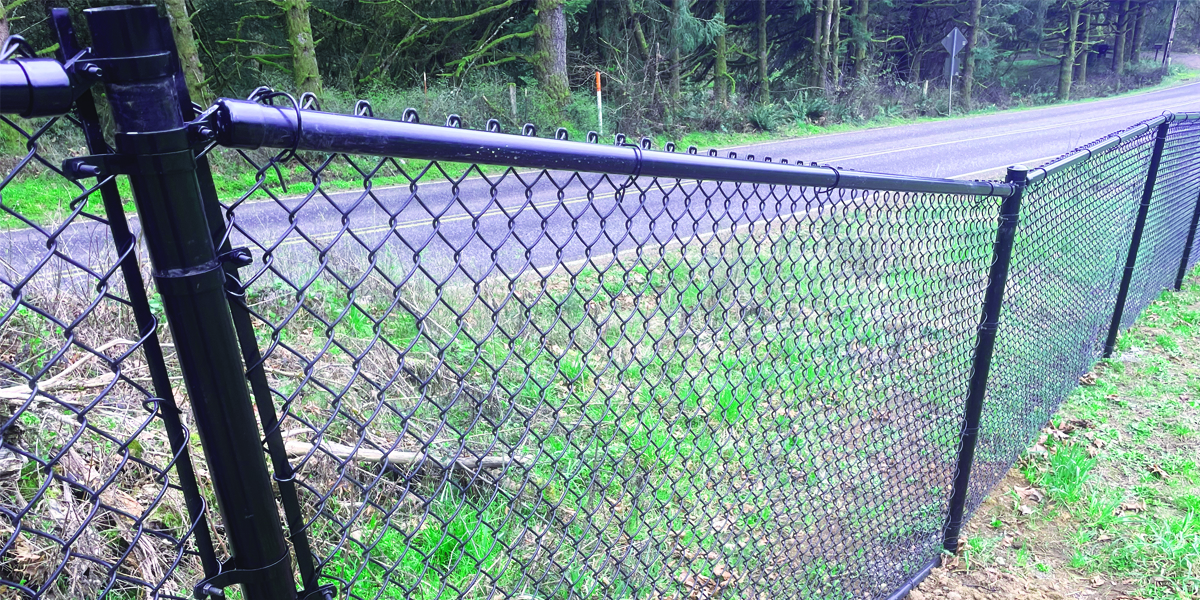
Chain Link Fencing
A practical solution for secure containment, visibility, larger areas, and relatively low maintenance.
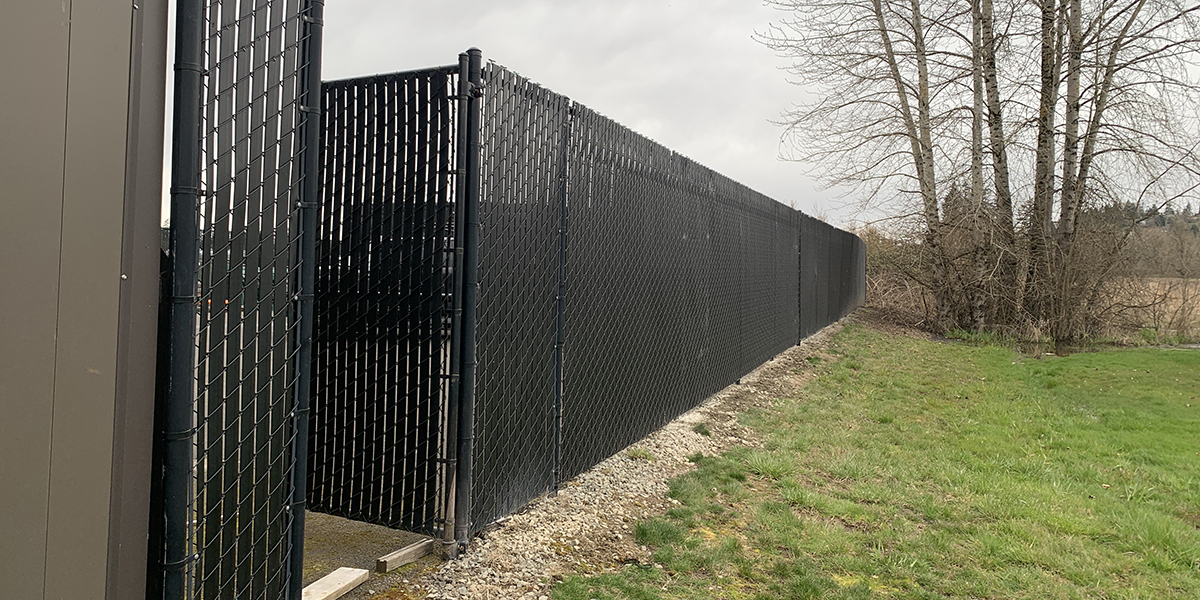
Privacy Fencing
Create greater separation between neighboring properties and make your backyard feel more like a private extension of your home.
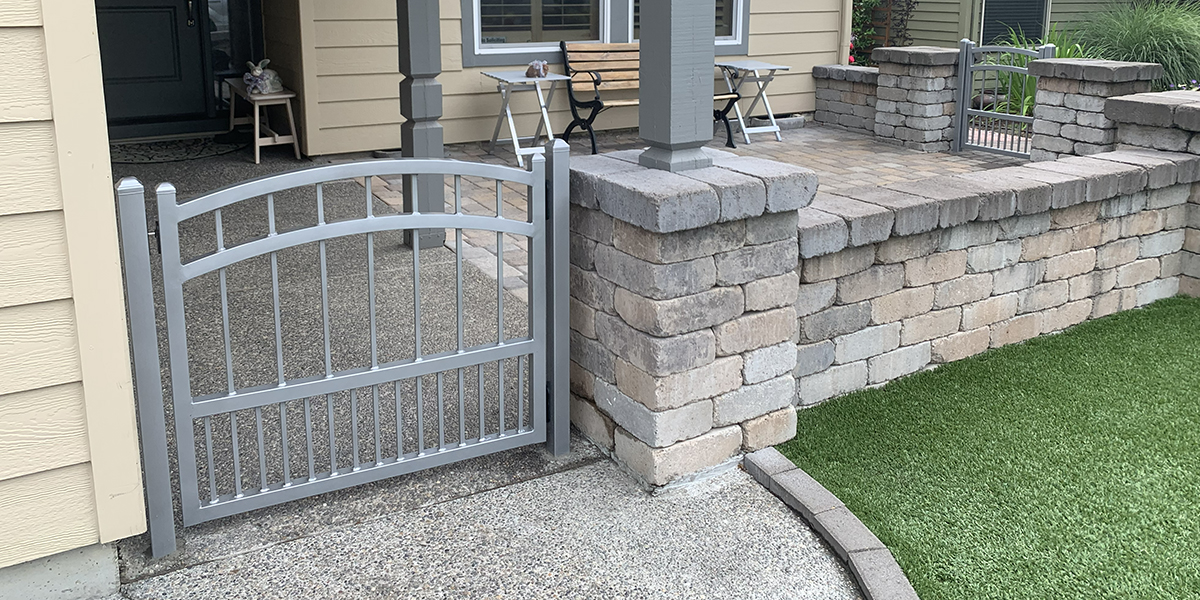
Ornamental Fencing
Add security and property definition while maintaining open sightlines and a more architectural appearance.
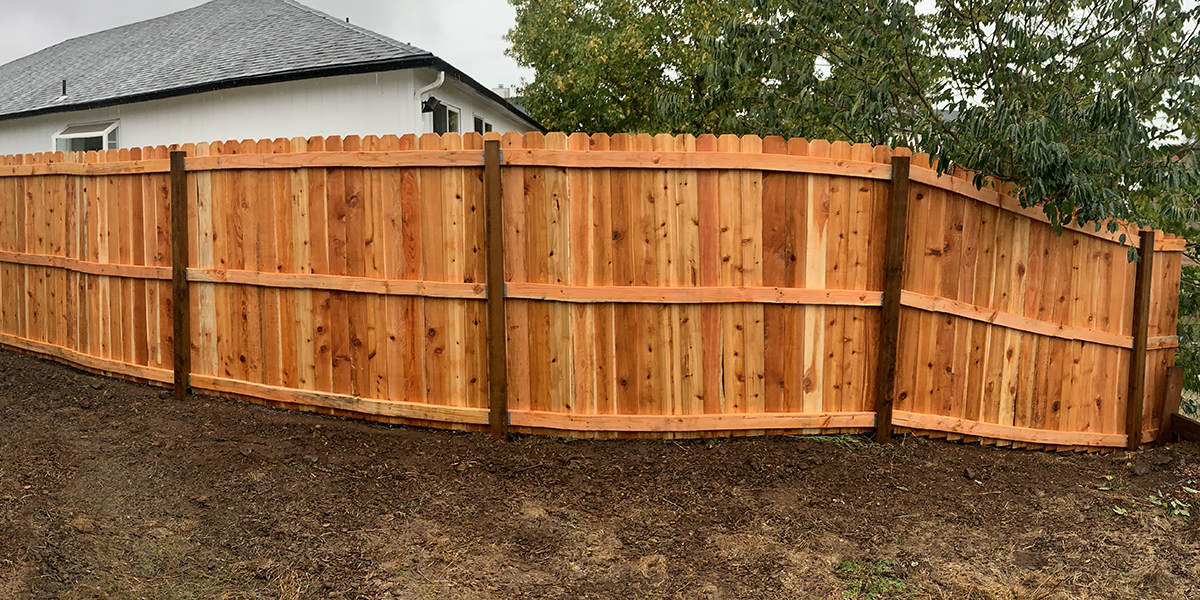
Wood Fencing
Explore customizable wood fence designs that can complement a wide variety of residential properties and architectural styles.
What Happens to the Old Fence?
Replacing a fence involves more than installing new boards beside the old ones.
The existing fence first needs to be addressed so the new installation has the best possible starting point.
Depending on the project, that can include removing old fence panels or boards, posts, gates, hardware, and other materials before preparing the fence line for the new installation.
This is also an opportunity to identify conditions that may have contributed to problems with the old fence.
We Look at Things Like:
Existing Post Locations
The old layout doesn’t automatically dictate the best layout for the replacement.
Terrain & Grade
Changes in elevation can affect fence design and installation.
Drainage & Moisture
Areas that remain unusually wet deserve attention when planning the new fence.
Vegetation & Obstructions
Trees, roots, landscaping, structures, and other obstacles can influence the fence line.
Gate & Access Locations
Replacement is a great time to improve how people, equipment, or vehicles move through the property.
The goal is not simply to remove an old fence.
It’s to create the right foundation for the next one.
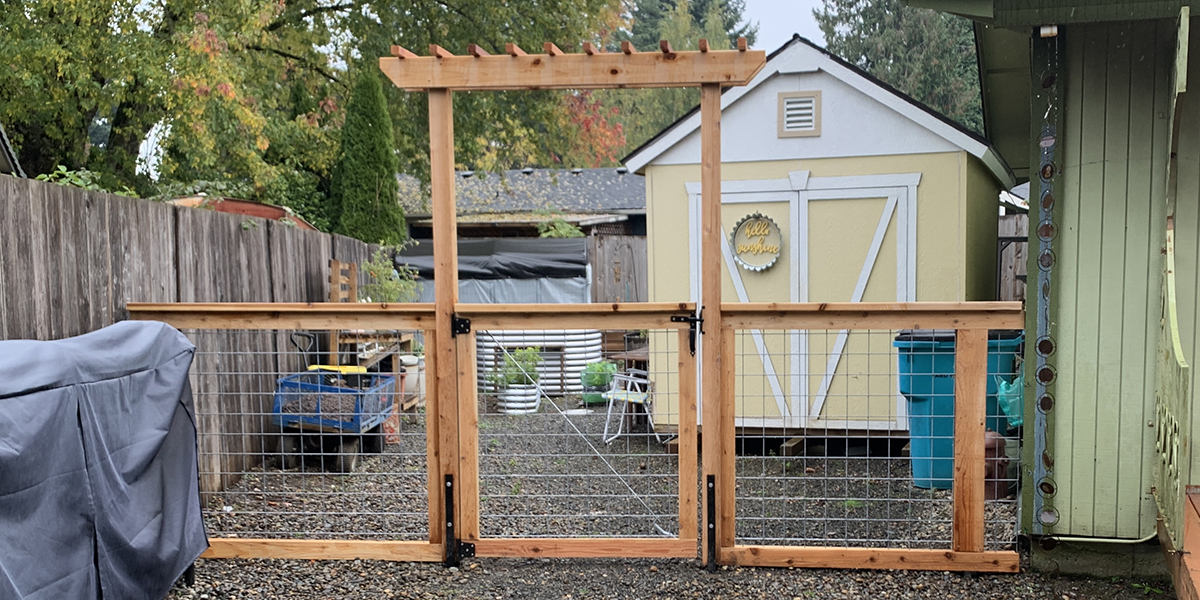
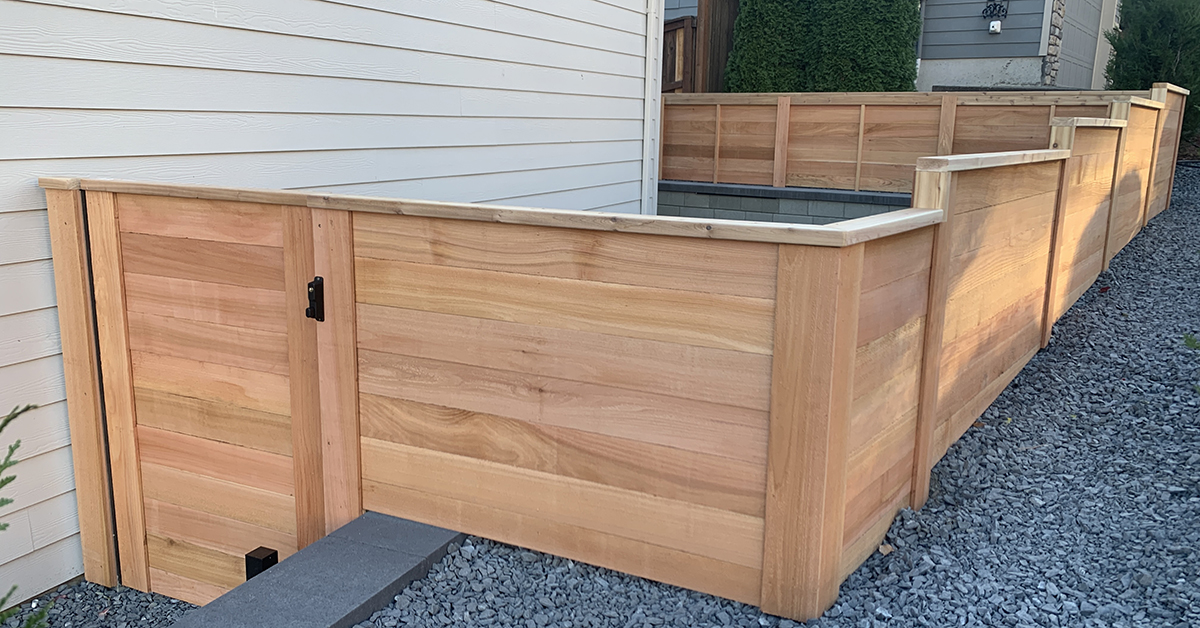
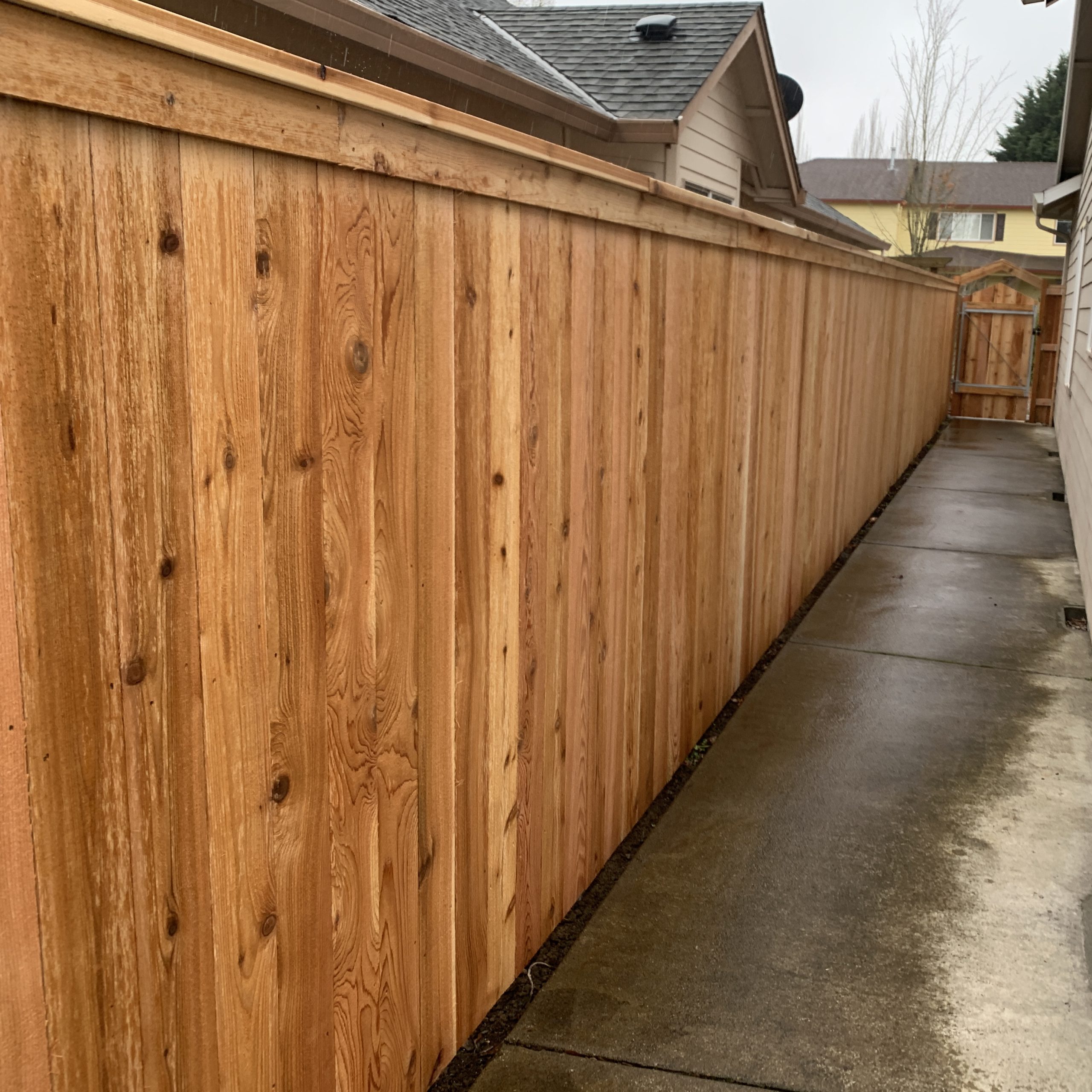
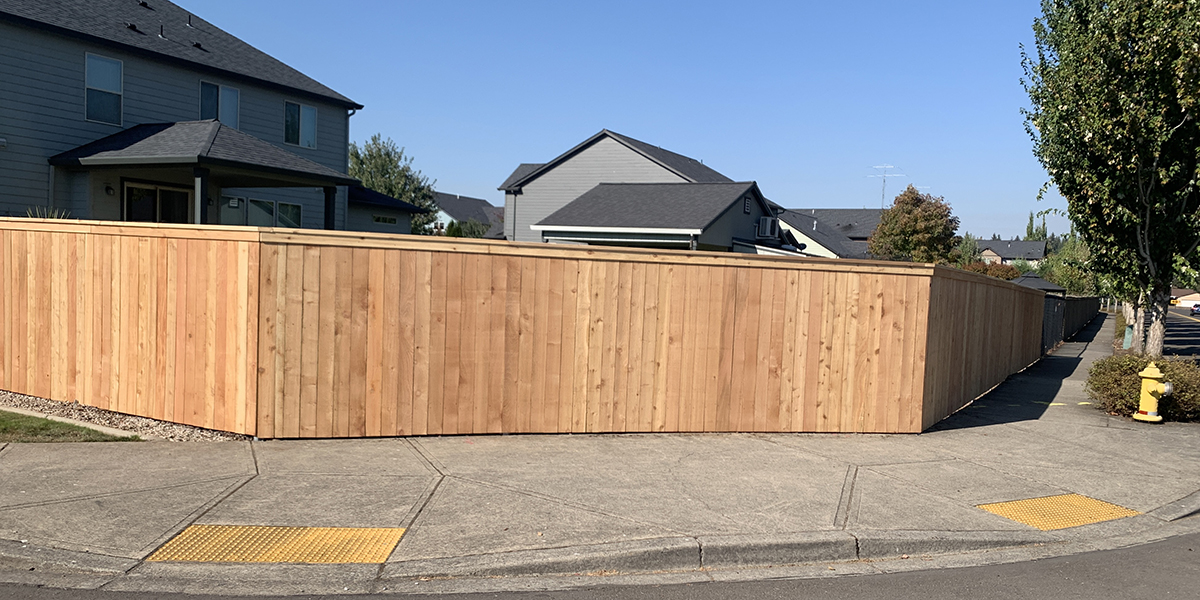
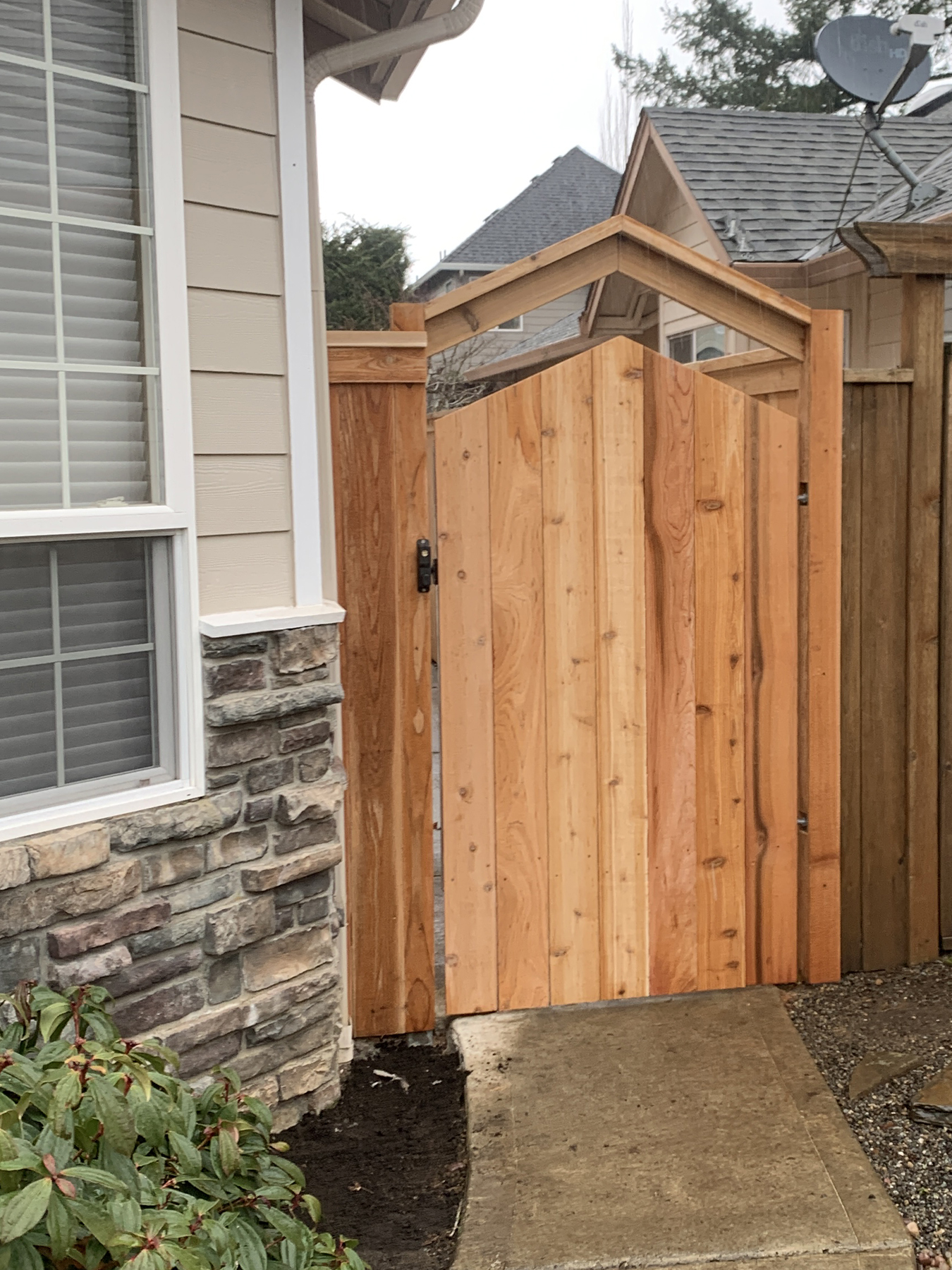
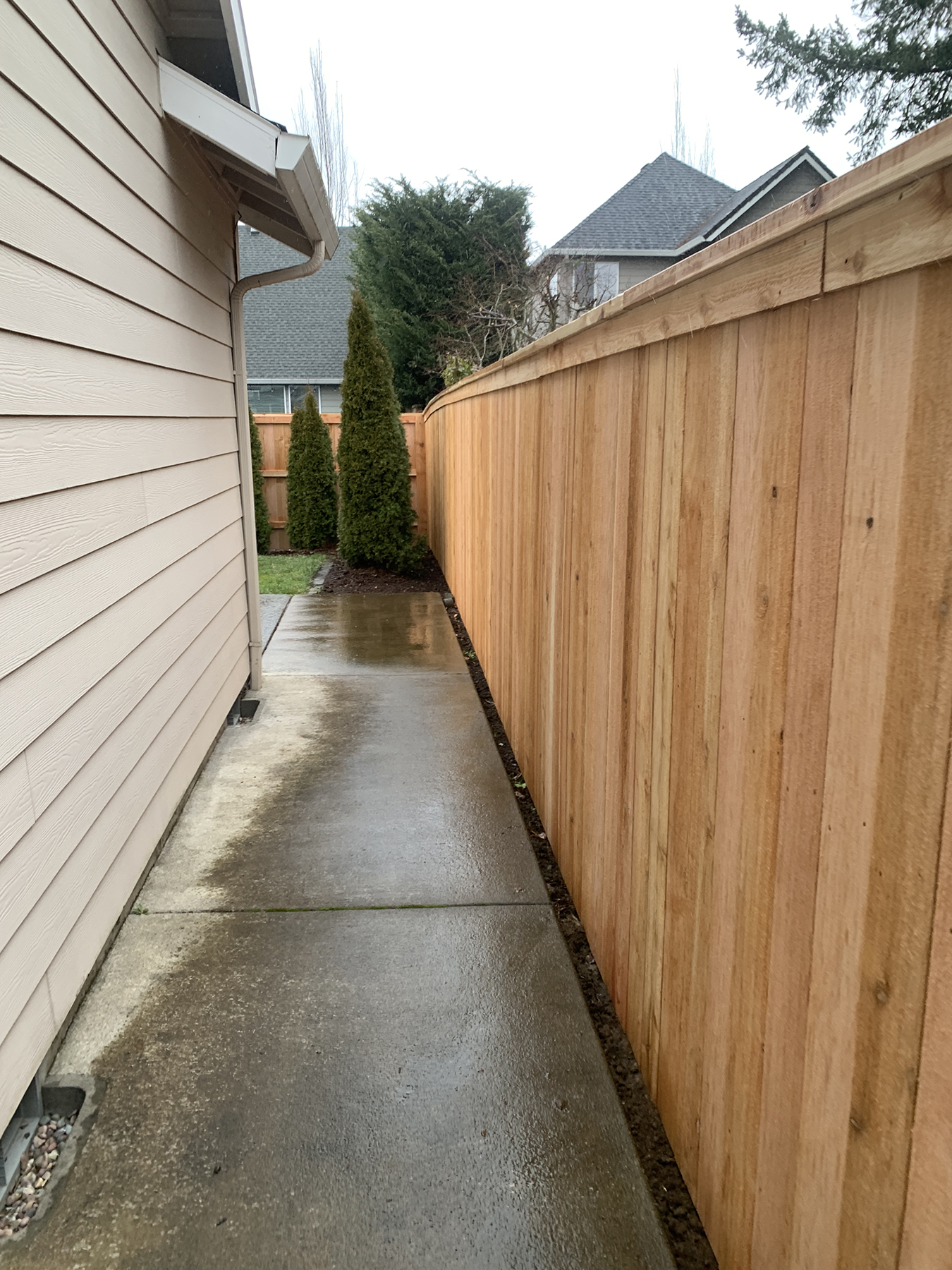
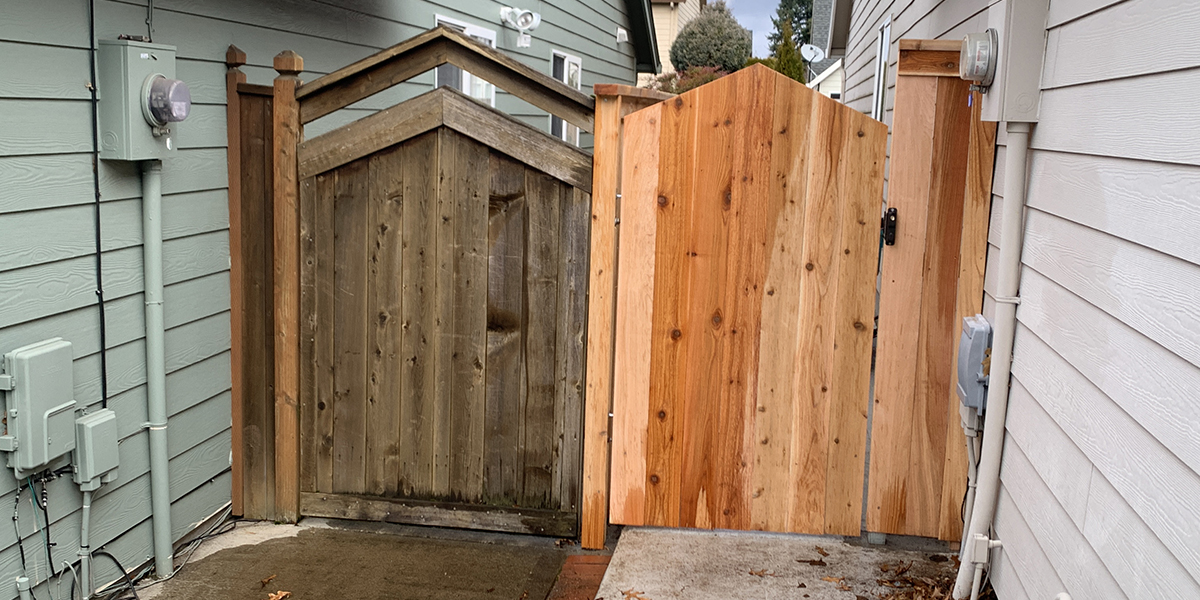
Groundhog Fence's Recent Projects
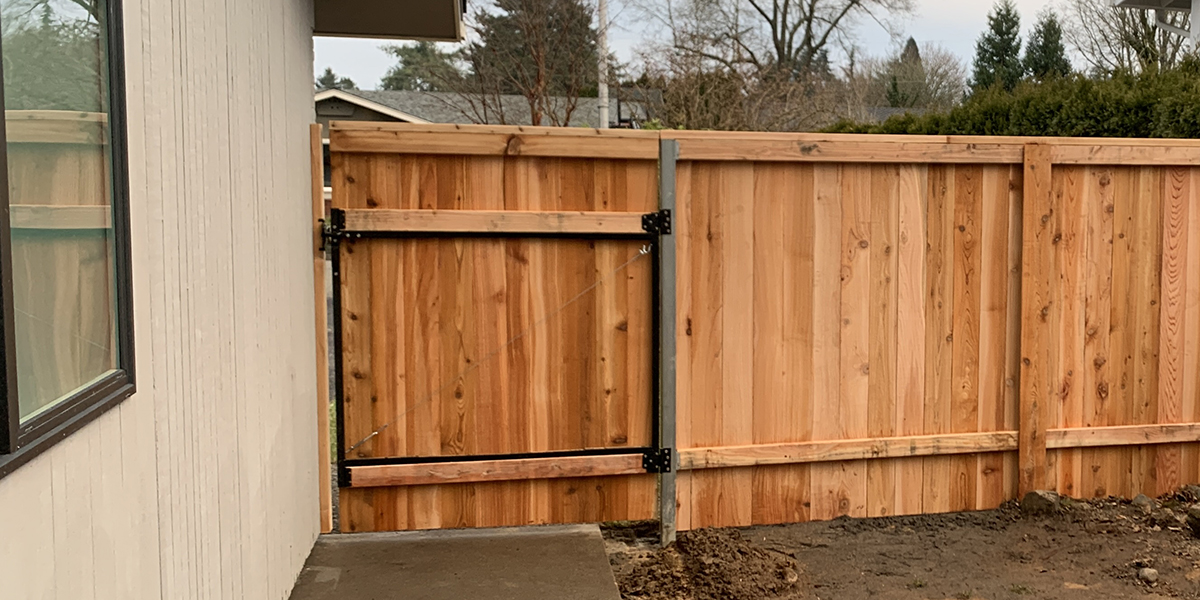
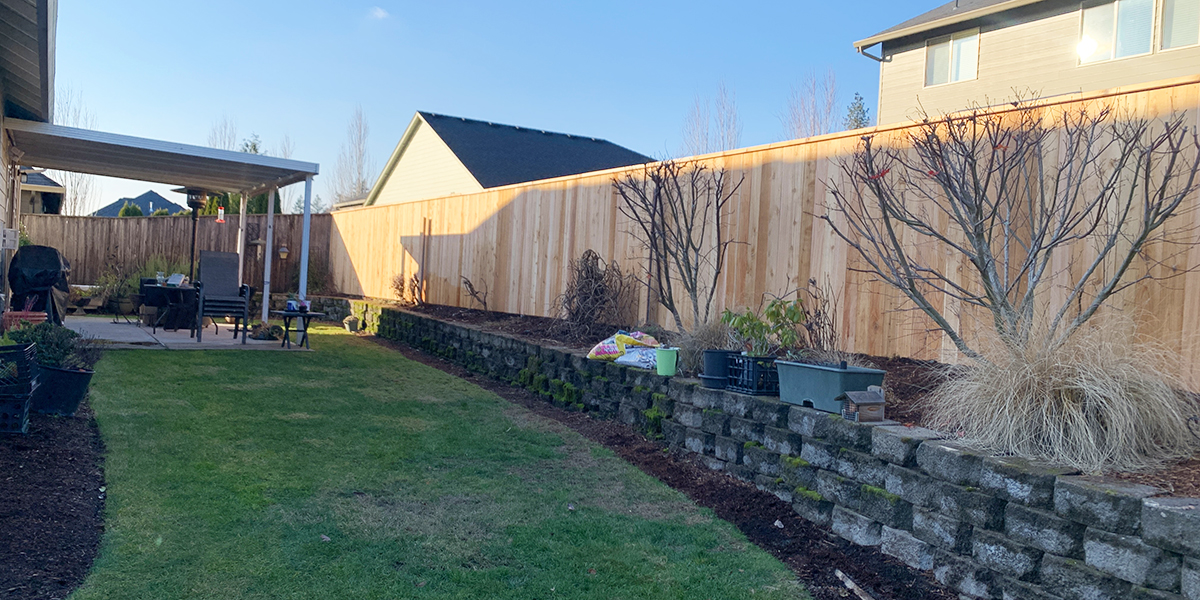
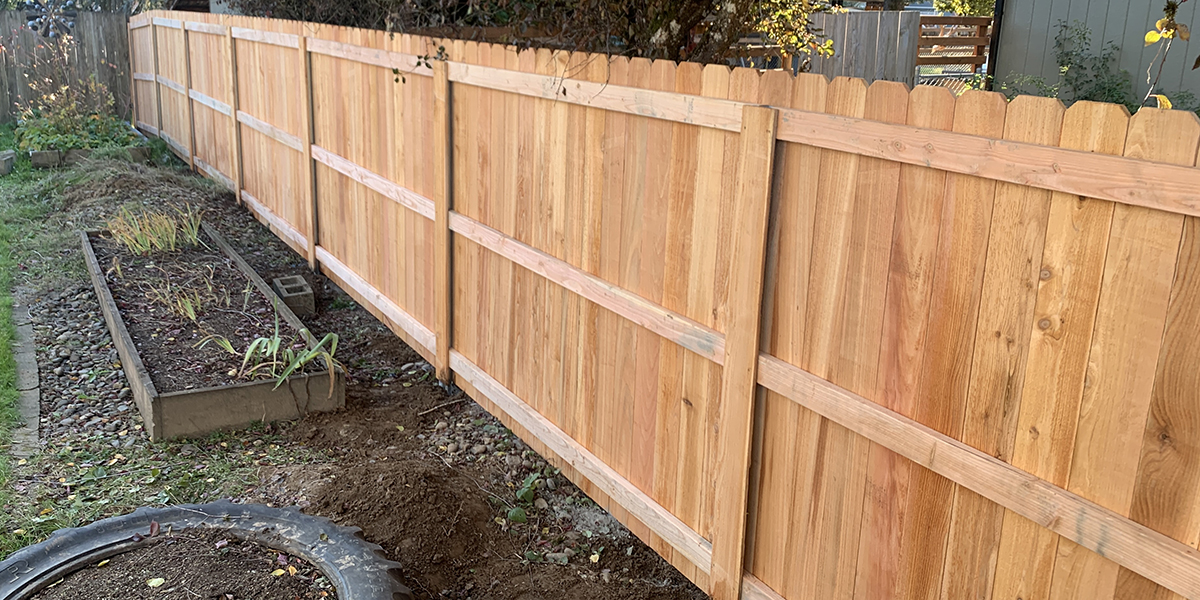
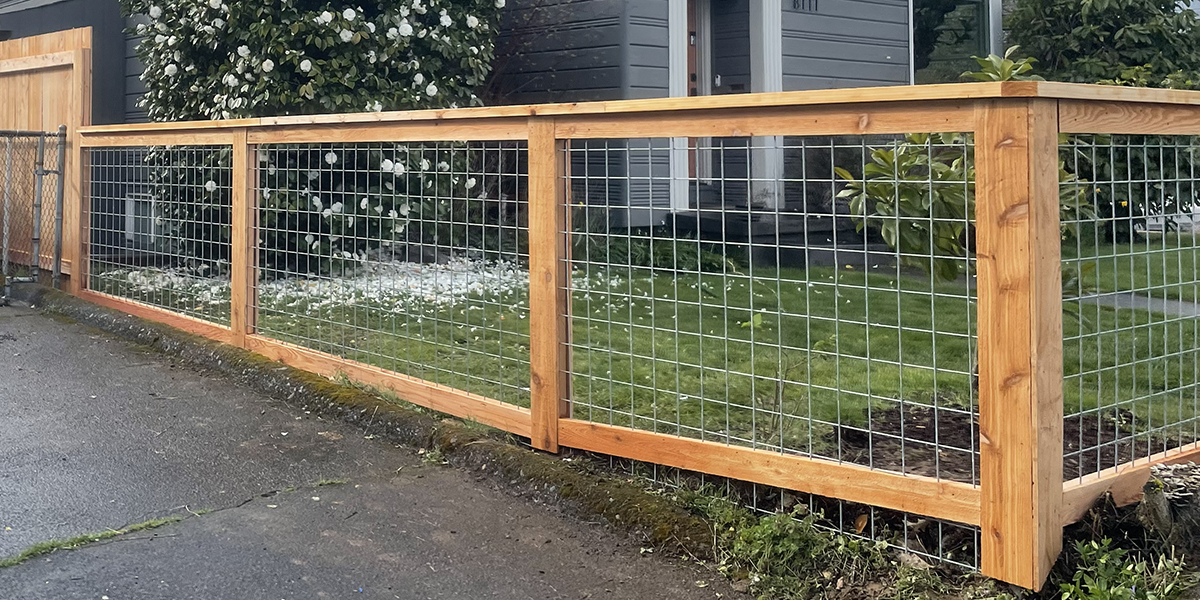
Give Your Property a Fresh Start
An aging fence can slowly become something you stop noticing.
The faded boards. The leaning section. The gate you have to lift before it’ll latch. The gaps you keep meaning to fix.
Then the old fence comes down and the new one goes up.
Suddenly, the entire property feels different.
A professionally installed replacement fence can improve:
Privacy
Create better separation from neighboring homes and surrounding properties.
Security
Restore a dependable boundary around your yard.
Pet & Family Safety
Close gaps and eliminate failing sections that compromise containment.
Curb Appeal
Replace a visibly aging fence with something clean, straight, and designed to complement the property.
Outdoor Living
Make decks, patios, yards, and entertaining spaces feel more finished and comfortable.
Peace of Mind
Stop wondering which section of the old fence is going to need attention next.
Our Simple Fence Installation Process
We keep things simple, transparent, and efficient from start to finish.
1. Request a Quote
Reach out and tell us about your project. We’ll gather the details and schedule a time to take a closer look at your property.
2. On-Site Consultation
We visit your property to assess the layout, discuss your goals, and recommend the best fencing solution for your needs.
3. Custom Design & Estimate
You’ll receive a clear, straightforward estimate along with a plan tailored to your property, materials, and layout.
4. Professional Installation
Our team installs your fence with precision and care, delivering a clean, durable result built to last.
Fence Replacement FAQs
How do I know if I should repair or replace my fence?
If damage is isolated and most of the fence remains structurally sound, repair may be the better choice. When multiple posts or sections are failing, deterioration is widespread, or repairs have become frequent, replacement may offer better long-term value. Groundhog can evaluate the fence and help you compare the options.
Do you remove the old fence?
Fence removal can be incorporated into a replacement project. The exact scope depends on the existing fence and site conditions, so we’ll address removal and disposal as part of the project estimate.
Do I have to replace my fence with the same material?
No. Replacement is an excellent opportunity to reconsider the material. You might move from aging wood to low-maintenance vinyl, choose cedar for a more natural appearance, or select another fence type better suited to your current priorities.
Can you change the fence layout when replacing it?
Potentially, yes. The appropriate fence line depends on property boundaries, local requirements, easements, utilities, terrain, and other site considerations. We can discuss layout changes during the consultation.
Can you move or add gates?
In many cases, yes. Replacement is a great time to reconsider gate locations and widths based on how you use the property today.
Can you replace only part of my fence?
Sometimes. If one section is significantly worse than the rest, partial replacement may be possible. We’ll need to evaluate how the new section will integrate structurally and visually with the existing fence.
How long does fence replacement take?
Project timelines vary based on fence length, material, terrain, removal requirements, gates, weather, and site conditions. Once we evaluate the property and finalize the project scope, we can give you a much more useful timeline than a generic estimate.
What if my fence is shared with a neighbor?
Shared property-line fencing can require additional coordination regarding property boundaries, responsibility, access, and project decisions. It’s a good idea to communicate with affected neighbors before work begins and confirm any applicable local or HOA requirements.
What fence material lasts the longest?
There’s no universal answer because material quality, installation, maintenance, exposure, drainage, and property conditions all influence fence life. Groundhog can help you compare cedar, vinyl, chain link, ornamental, and other options based on the priorities for your property.
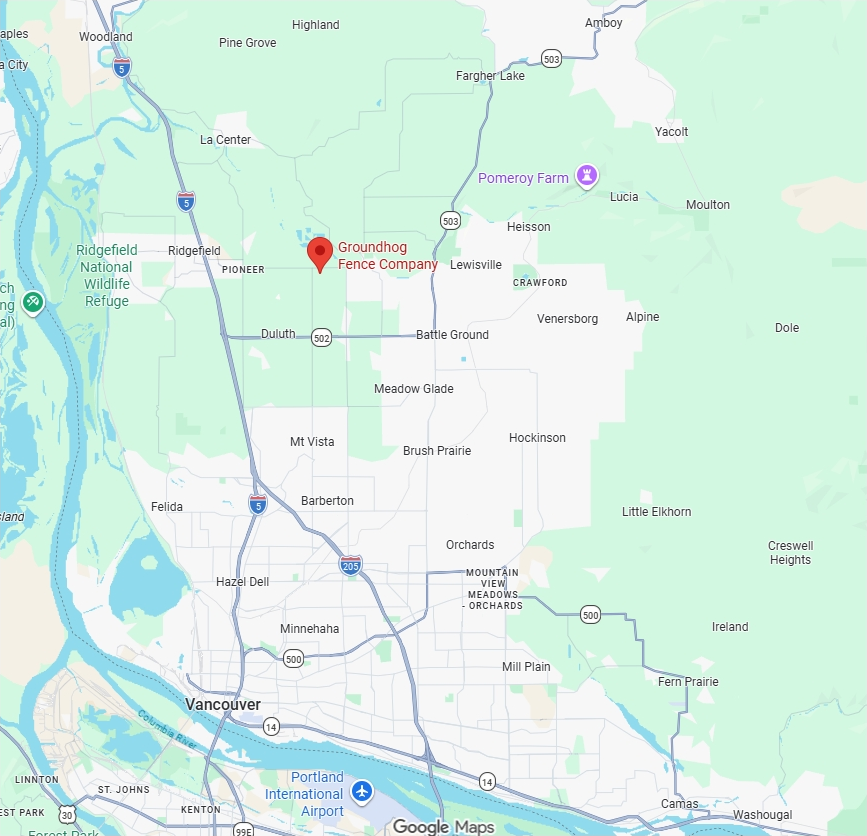
Serving Homeowners Across Clark County
Groundhog Fence Company is based in Ridgefield and provides professional residential fence replacement throughout:
Groundhog Fence Company
Ready to Stop Repairing the Same Old Fence?If your fence is leaning, deteriorating, failing in multiple areas, or simply no longer works for your property, it may be time for a fresh start. Groundhog Fence Company can help you determine whether replacement makes sense and design a new fence around the way you want your property to look and function today.